





Introduction to Vietnam Traditional Arts
Vietnam is a country with a rich cultural heritage, and its traditional arts are an integral part of its identity. From the intricate designs on silk fabrics to the delicate carvings on wooden objects, Vietnam's traditional arts are a reflection of the country's history, mythology, and values. In this article, we will delve into the world of Vietnam traditional arts, exploring its various forms, significance, and the ways in which it continues to inspire and influence contemporary art and culture.
Forms of Vietnam Traditional Arts
Vietnam traditional arts encompass a wide range of creative expressions, including music, dance, theater, visual arts, and crafts. Some of the most notable forms of traditional Vietnamese art include:
- Silk weaving and embroidery: Renowned for its exquisite beauty and intricate designs, Vietnamese silk weaving and embroidery have been highly prized for centuries.
- Woodblock printing: This ancient art form involves carving intricate designs onto wooden blocks, which are then used to print patterns onto silk and other fabrics.
- Pottery and ceramics: Vietnamese pottery and ceramics have a long history, with many skilled artisans still creating beautiful pieces using traditional techniques.
- Music and dance: Traditional Vietnamese music and dance, such as the iconic water puppet show, are an integral part of the country's cultural heritage.
Preserving and Promoting Traditional Arts
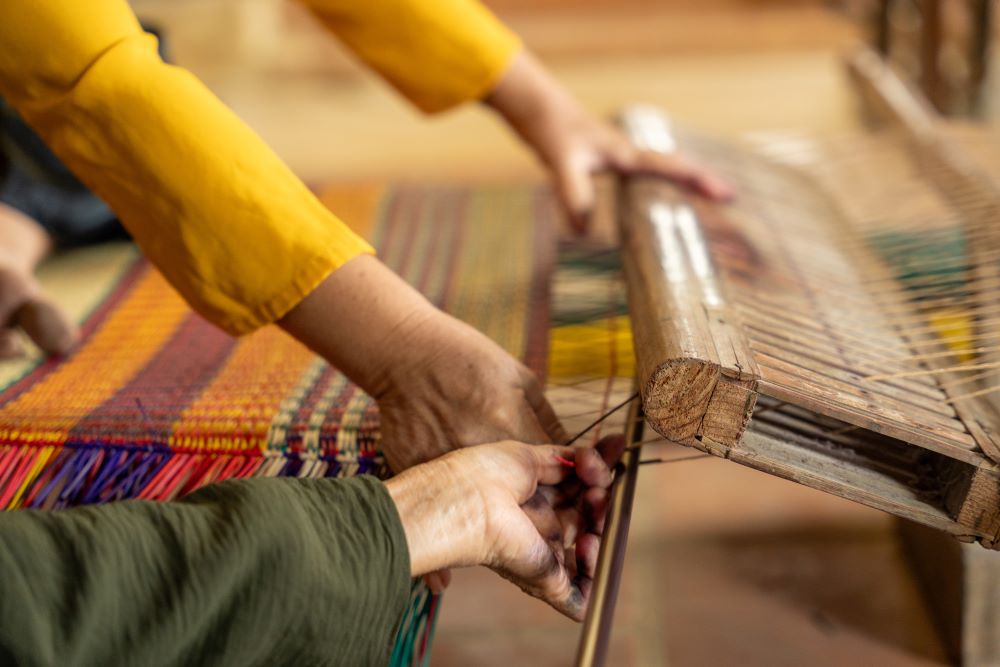
Despite the many challenges posed by modernization and globalization, there are still many efforts underway to preserve and promote Vietnam's traditional arts. The Traditional Weaving Workshop in Hoi An, Da Nang City, Vietnam, is one such example. This organization is dedicated to preserving and promoting traditional Vietnamese crafts, bringing unique cultural experiences to visitors from around the world.
By visiting the Traditional Weaving Workshop, visitors can learn about the history and significance of Vietnam's traditional arts, as well as participate in hands-on workshops and classes. From silk weaving and embroidery to woodblock printing and pottery, visitors can experience the many different forms of traditional Vietnamese art firsthand.
The Significance of Vietnam Traditional Arts
Vietnam traditional arts are not just beautiful objects or entertaining performances; they also carry deep cultural and spiritual significance. They often reflect the country's history, mythology, and values, and are an important part of Vietnamese identity. By preserving and promoting these traditional arts, we can help to ensure that they continue to inspire and influence contemporary art and culture.
Furthermore, Vietnam traditional arts have the power to bring people together, fostering a sense of community and shared cultural heritage. By experiencing and appreciating these traditional arts, visitors can gain a deeper understanding of Vietnamese culture and history, and develop a greater appreciation for the country's rich cultural diversity.
Conclusion and Call to Action
In conclusion, Vietnam traditional arts are a vital part of the country's cultural heritage, and continue to inspire and influence contemporary art and culture. By visiting the Traditional Weaving Workshop in Hoi An, Da Nang City, Vietnam, visitors can experience the many different forms of traditional Vietnamese art, and learn about the history and significance of these beautiful and intricate creations.
So why not plan a visit to the Traditional Weaving Workshop today, and discover the rich cultural heritage of Vietnam for yourself? With its stunning natural beauty, vibrant culture, and warm hospitality, Vietnam is a destination that has something to offer every kind of traveler. Whether you're an art lover, a culture vulture, or simply looking for a unique and unforgettable experience, Vietnam traditional arts are sure to leave you inspired and enchanted.