






Introduction to Responsible Tourism in Hoi An
Responsible tourism, also known as sustainable tourism, is a growing trend in the travel industry. It emphasizes the importance of preserving local cultures, environments, and communities while promoting tourism. Hoi An, a charming town in central Vietnam, is an exemplary model of responsible tourism. This ancient town, with its well-preserved architecture and traditional way of life, offers visitors a unique cultural experience. In this article, we will delve into the world of responsible tourism in Hoi An and explore how visitors can make a positive impact on this beautiful town.
The Importance of Responsible Tourism
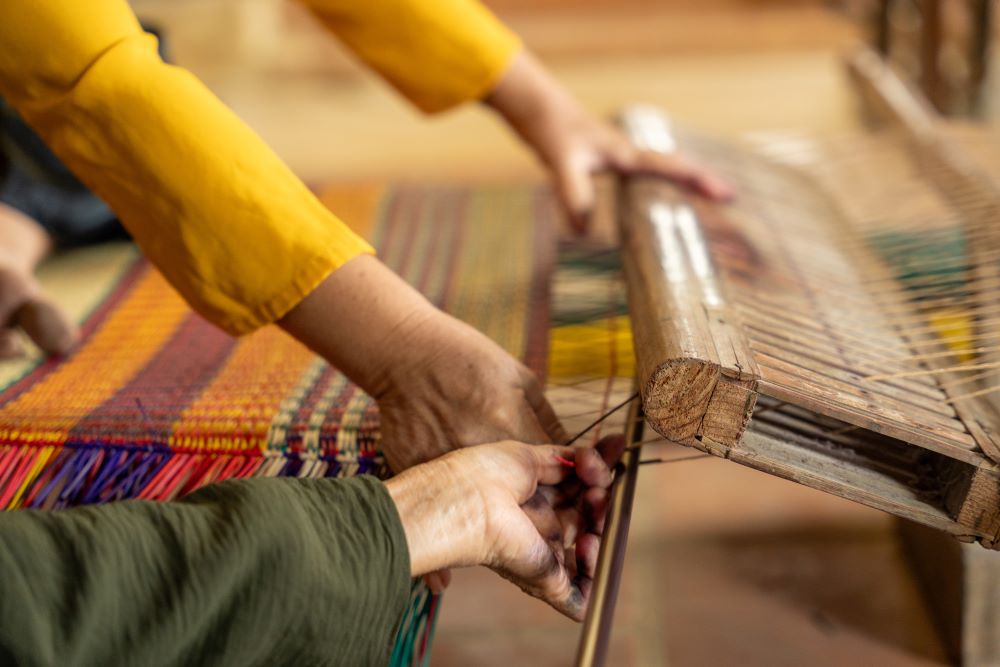
Responsible tourism is crucial for the long-term preservation of Hoi An's cultural heritage and natural environment. By adopting sustainable tourism practices, visitors can help minimize their impact on the local community and environment. This includes respecting local customs, reducing waste, and supporting local businesses. One way to experience responsible tourism in Hoi An is by visiting the Traditional Weaving Workshop, located in the heart of the town. This workshop is dedicated to preserving and promoting traditional Vietnamese crafts, bringing unique cultural experiences to visitors.
The Traditional Weaving Workshop is an excellent example of responsible tourism in action. By supporting this workshop, visitors are contributing to the preservation of traditional Vietnamese crafts and the local community. The workshop offers a range of activities, including weaving classes, where visitors can learn the art of traditional Vietnamese weaving. This not only provides a unique cultural experience but also helps to support the local economy.
Supporting Local Communities through Responsible Tourism
One of the key principles of responsible tourism is supporting local communities. In Hoi An, visitors can do this by staying in locally-owned accommodations, eating at local restaurants, and shopping at local markets. By supporting local businesses, visitors are helping to preserve the local way of life and contributing to the local economy. Additionally, visitors can also support local communities by participating in community-based tourism projects, such as homestays and village tours.
Some of the ways to support local communities in Hoi An include:
- Staying in locally-owned accommodations, such as family-run guesthouses or homestays
- Eating at local restaurants, cafes, and street food stalls
- Shopping at local markets, such as the Hoi An Market or the Hoi An Night Market
- Participating in community-based tourism projects, such as homestays or village tours
- Respecting local customs and traditions, such as dressing modestly and removing shoes when entering temples or homes
By supporting local communities and adopting sustainable tourism practices, visitors can help preserve the beauty and charm of Hoi An for future generations. The Traditional Weaving Workshop, with its commitment to preserving traditional Vietnamese crafts and supporting the local community, is an excellent example of responsible tourism in action.
Conclusion
In conclusion, responsible tourism is essential for preserving the cultural heritage and natural environment of Hoi An. By adopting sustainable tourism practices, supporting local communities, and respecting local customs, visitors can make a positive impact on this beautiful town. The Traditional Weaving Workshop, with its unique cultural experiences and commitment to preserving traditional Vietnamese crafts, is an excellent example of responsible tourism in action. So why not come and experience the beauty of Hoi An for yourself? Visit the Traditional Weaving Workshop, located in Hoi An, Da Nang City, Vietnam, and discover the essence of responsible tourism in this charming town.