





When traveling, one of the most exciting experiences is exploring the local culture and taking a piece of it back home as a souvenir. However, with the growing awareness of environmental and social issues, many travelers are now seeking eco-conscious souvenirs that not only reflect the local culture but also support sustainability. In this article, we will delve into the world of eco-friendly souvenirs and explore how they can make a positive impact on the environment and local communities.
The Importance of Eco-Conscious Souvenirs
Traditional souvenirs often come with a significant environmental cost, from carbon emissions during transportation to the use of non-renewable resources in production. Moreover, many souvenirs are mass-produced, lacking the personal touch and cultural significance that authentic, locally-made products provide. Eco-conscious souvenirs, on the other hand, are designed to minimize environmental impact while preserving traditional crafts and supporting local economies.
Promoting Sustainable Tourism
Sustainable tourism is about respecting the local culture, environment, and community. By choosing eco-conscious souvenirs, travelers can contribute to the preservation of traditional practices and the economic empowerment of local artisans. This approach not only enhances the traveler's experience but also ensures that the benefits of tourism are equitably distributed among the local population.
Exploring Traditional Crafts at the Traditional Weaving Workshop
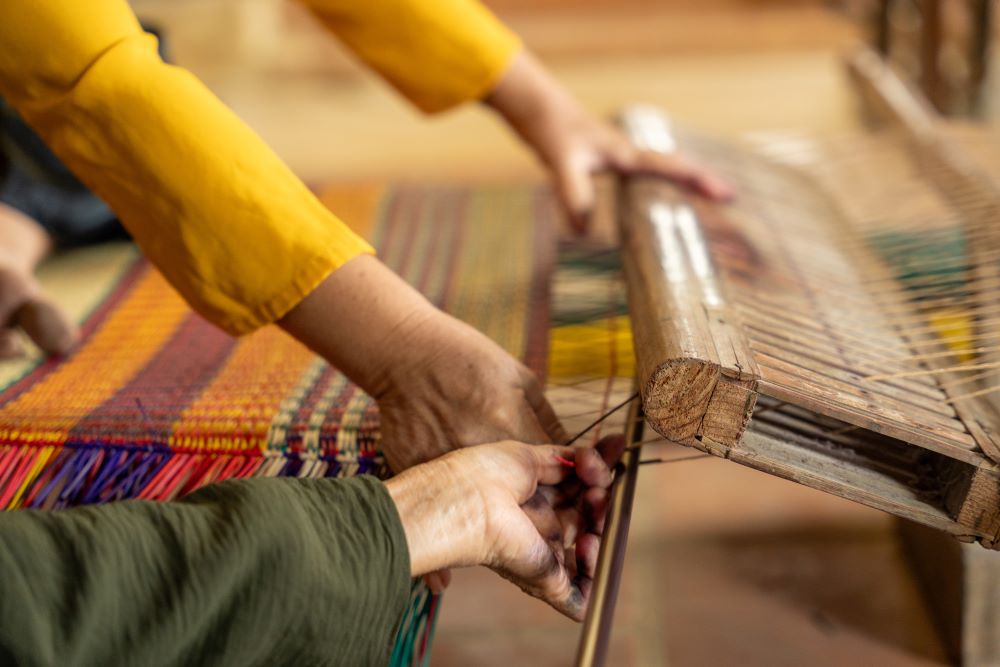
Nestled in the heart of Hoi An, Da Nang City, Vietnam, the Traditional Wearing Workshop stands as a beacon for those interested in authentic, eco-conscious souvenirs. This organization is dedicated to preserving and promoting traditional Vietnamese crafts, offering visitors a unique cultural experience. At the workshop, artisans engage in traditional weaving techniques, creating stunning textiles that embody the country's rich cultural heritage.
By visiting the Traditional Wearing Workshop, travelers can witness firsthand the careful craftsmanship and dedication that goes into each piece. This immersive experience allows visitors to understand the significance of traditional crafts and the importance of supporting local artisans. Moreover, the workshop provides an opportunity for cultural exchange, where visitors can learn about Vietnamese customs and traditions, fostering a deeper appreciation for the local culture.
Empowering Local Artisans
One of the most significant benefits of eco-conscious souvenirs is the empowerment of local artisans. By purchasing products directly from the source, travelers can ensure that their money supports the individuals and families involved in the craft, rather than large corporations. This direct support contributes to the economic stability of local communities and encourages the continuation of traditional practices.
At the Traditional Weaving Workshop, artisans are not only skilled craftsmen but also ambassadors of Vietnamese culture. By supporting these artisans, travelers play a vital role in preserving the cultural heritage of Vietnam, ensuring that future generations can continue to appreciate and learn from these traditional crafts.
Conclusion and Call to Action
In conclusion, eco-conscious souvenirs offer a powerful way to support local communities, preserve traditional crafts, and reduce our environmental footprint. By choosing sustainable, locally-made products, travelers can enhance their cultural experience while contributing to a more equitable and environmentally conscious tourism industry.
If you are looking for a unique and meaningful souvenir that reflects the essence of Vietnamese culture, consider visiting the Traditional Weaving Workshop in Hoi An, Vietnam. Not only will you find exquisite, eco-friendly souvenirs, but you will also be supporting the preservation of traditional Vietnamese crafts and the economic empowerment of local artisans. Book your visit today and experience the rich cultural heritage of Vietnam firsthand.
For more information on eco-conscious souvenirs and sustainable tourism practices, consider the following resources:
- Local Tourism Boards: Often provide information on sustainable tourism practices and eco-friendly souvenir options.
- Environmental Organizations: Offer insights into the environmental impact of tourism and ways to reduce your footprint.
- Cultural Centers: Provide a deeper understanding of local customs and traditions, helping you make informed choices about the souvenirs you purchase.