





Introduction to Intricate Woven Patterns
Intricate woven patterns have been a part of human culture for thousands of years, with various civilizations contributing to the rich tapestry of textile art. From the ancient Egyptians to the modern-day Vietnamese, weaving has been an essential part of cultural heritage, passed down through generations. In this article, we will delve into the world of intricate woven patterns, exploring their significance, techniques, and the unique cultural experiences they offer.
The Significance of Intricate Woven Patterns
Intricate woven patterns are more than just aesthetically pleasing designs; they hold deep cultural, symbolic, and historical significance. Each pattern, color, and motif carries a specific meaning, reflecting the community's values, myths, and legends. For instance, in Vietnamese culture, the lotus flower is a symbol of purity, beauty, and spiritual growth. The intricate woven patterns featuring lotus flowers are not only stunning but also carry a deeper meaning, connecting the wearer or the owner to the cultural heritage.
At TRADITIONAL WEAVING WORKSHOP in Hoi An, Da Nang City, Vietnam, visitors can experience the preservation and promotion of traditional Vietnamese crafts firsthand. The workshop offers a unique opportunity to learn about the history, techniques, and cultural context of intricate woven patterns, allowing visitors to appreciate the craftsmanship and dedication that goes into creating these stunning designs.
Techniques and Materials
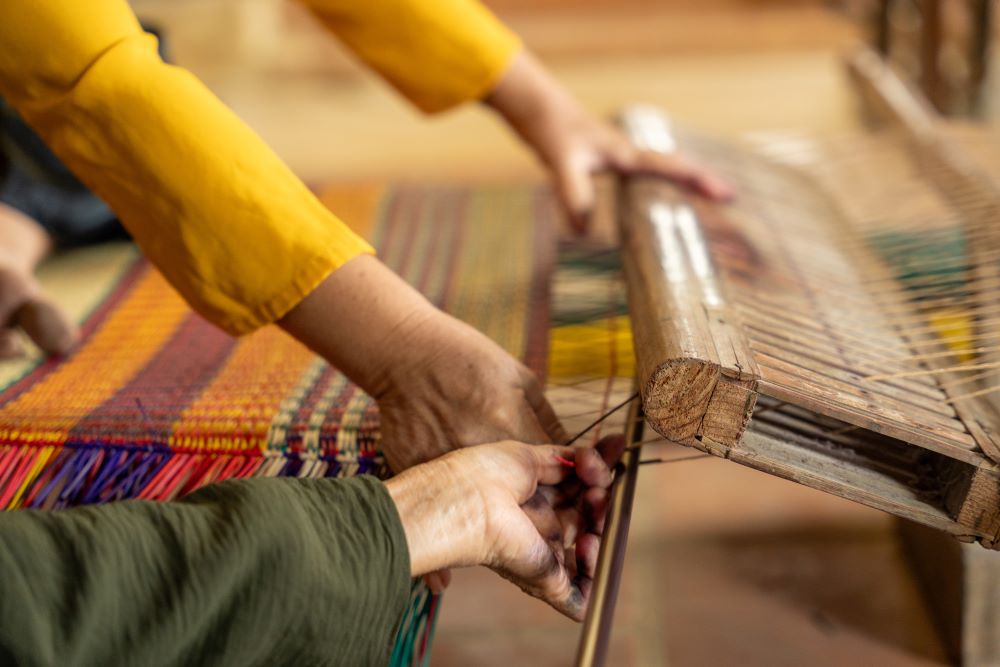
The creation of intricate woven patterns involves a range of techniques, including hand-weaving, embroidery, and dyeing. The choice of materials is also crucial, with natural fibers such as silk, cotton, and wool being preferred for their texture, durability, and sustainability. The artisans at TRADITIONAL WEAVING WORKSHOP use traditional techniques, combined with modern tools and materials, to create innovative and stunning designs that blend heritage and contemporary styles.
- Hand-weaving: A traditional technique that involves weaving threads or yarns by hand, creating unique and intricate patterns.
- Embroidery: A decorative technique that involves stitching patterns or designs onto fabric using thread or yarn.
- Dyeing: A process that involves coloring fabrics using natural or synthetic dyes, creating a range of vibrant and subtle colors.
Cultural Experiences and Preservation
The preservation and promotion of traditional Vietnamese crafts are essential for maintaining cultural heritage and identity. TRADITIONAL WEAVING WORKSHOP plays a vital role in this process, offering visitors a unique cultural experience that goes beyond mere observation. By participating in workshops, demonstrations, and exhibitions, visitors can engage with the artisans, learn about their techniques, and appreciate the dedication and craftsmanship that goes into creating intricate woven patterns.
Moreover, the workshop provides a platform for artisans to showcase their work, share their knowledge, and connect with a wider audience. This not only helps to preserve traditional crafts but also contributes to the local economy and community development. By supporting TRADITIONAL WEAVING WORKSHOP, visitors are contributing to the preservation of cultural heritage and the promotion of unique cultural experiences.
Conclusion and Call to Action
In conclusion, intricate woven patterns are a testament to human creativity, cultural heritage, and the significance of traditional crafts. By visiting TRADITIONAL WEAVING WORKSHOP in Hoi An, Da Nang City, Vietnam, visitors can experience the beauty, significance, and cultural context of intricate woven patterns. We invite you to join us on this journey, learn about traditional Vietnamese crafts, and appreciate the unique cultural experiences that TRADITIONAL WEAVING WORKSHOP has to offer. Contact us to plan your visit and be a part of preserving and promoting cultural heritage.